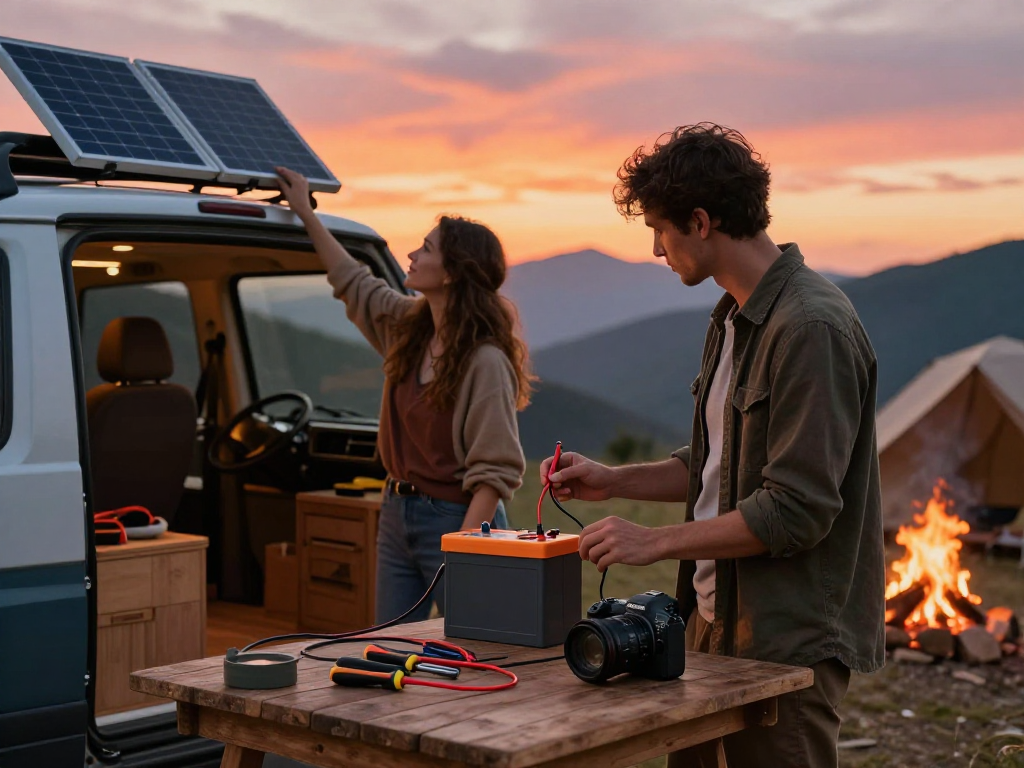
Understanding Your Campervan Electrical System
As the foundation of any successful campervan conversion, understanding the electrical system is crucial for a seamless and enjoyable experience on the road. From powering lights and appliances to facilitating communication devices, the electrical setup can mean the difference between a comfortable trip and a stressful one. In this guide, we will delve into the essentials of campervan electrics, including batteries, solar panels, and wiring techniques. For comprehensive insights into making the most of your campervan experience, check out the rokok88 login.
What You Need to Know About Batteries
Choosing the right battery for your campervan is paramount. Lead-acid, lithium-ion, and AGM batteries each have unique characteristics, benefits, and drawbacks. Lead-acid batteries are cost-effective but weighty and have a shorter lifespan. Lithium-ion batteries, on the other hand, are lightweight, have a longer lifespan, and are often touted for their efficiency, although they come with a higher price tag. Understanding your power requirements, including estimated consumption for devices, is essential in making the right choice.
Choosing the Right Solar Panel Setup
Solar power is one of the most sustainable ways to keep your campervan powered. Selecting the right solar panel setup involves understanding your energy needs and available roof space. Common setups include monocrystalline and polycrystalline panels; the former typically offers higher efficiency but at a premium cost. Additionally, pairing your solar panel with a suitable charge controller ensures optimal battery health and performance throughout your travels.
Essential Wiring Techniques for Beginners
Getting comfortable with wiring is a critical skill for any campervan converter. Start with a solid foundation of basic wiring principles—understand the difference between series and parallel connections, learn about different wire gauges, and become familiar with the tools required for installation. Proper insulation and securing wires are vital for avoiding potential hazards such as shorts or electrical fires. Moreover, labeling wires can prevent confusion down the line and streamline future maintenance.
Calculating Battery Size and Solar Needs
Understanding how to calculate your power needs will ensure you have sufficient battery capacity and solar production. The first step involves determining the watt-hours (Wh) you will need daily. This requires knowledge of the amperage rating of your devices and how long you intend to use them. Using tools like the rokok88 login solar calculator can streamline this process significantly by providing accurate estimates based on inputs like battery size, solar panel output, and expected energy consumption.
Factors Influencing Battery Capacity
Several factors can dictate the capacity needs of your battery system, including the number of devices, their power ratings, and the duration of usage. Seasonal changes can also affect solar production and battery performance; thus, it’s crucial to consider your travel patterns. For instance, winter months typically yield less sunlight, necessitating larger battery reserves or an additional energy source.
Real-World Examples of Energy Needs
To bring clarity to your calculations, let's consider a scenario: If you plan to run a fridge (60W) for 24 hours, use a laptop (50W) for 4 hours, and light up LED lights (10W) for 5 hours, your total requirement would be:
- Fridge: 60W x 24h = 1440Wh
- Laptop: 50W x 4h = 200Wh
- LED Lights: 10W x 5h = 50Wh
This sums up to a total of 1690Wh per day. Depending on your solar panel output, you can determine the necessary battery size to support this demand.
Insulation Techniques for Enhanced Energy Efficiency
Efficient insulation is a game changer for your campervan, significantly affecting your electrical system's performance. By preventing heat loss and maintaining stable temperatures, good insulation can reduce the overall energy consumption for heating or cooling. Therefore, investing time and resources in effective insulation techniques not only enhances comfort but also improves energy efficiency.
How Insulation Affects Electrical Systems
Insulation plays a vital role in maintaining a stable interior climate, which directly affects the demand on your electrical system. A well-insulated van will need less electric heating or cooling, allowing your battery to last longer and reducing solar dependency. This can lead to less wear and tear on your electrical components, extending their lifespan and saving you money.
Materials and Methods for Effective Insulating
Common insulation materials include foam boards, spray foam, and reflective insulation. Each has pros and cons; for instance, spray foam offers superior sealing but may be more costly than batts or boards. Consider the R-values of materials, which indicate their thermal resistance; higher values represent better insulation. A combination of materials may provide the best results for your specific needs.
DIY Hacks to Improve Insulation in Your Camper
DIY insulation projects can save money and tailor your solution to your specific camper van requirements. Use bubble wrap on windows as a temporary insulating measure, or employ thermal curtains to control temperature. Additionally, sealing gaps with caulk or spray foam can significantly enhance overall insulation performance.
Choosing the Best Van for Your Camper Conversion
Your choice of van can greatly influence your camper conversion experience. Opting for a model that meets your needs can save time, money, and effort during the conversion process. Factors to consider include the van’s size, engine capacity, and built-in features.
Key Features to Look for in a Van
When selecting a van for your conversion, focus on essential features such as load capacity, interior space, and roof height. A high-roof option provides ease of movement inside, while a longer wheelbase can enhance stability on the road. Additional features like windows for ventilation or pre-installed electrical systems may also add value to your conversion.
Comparative Analysis of Popular Van Models
Popular choices for campervan conversions include the Mercedes Sprinter, Ford Transit, and Ram ProMaster. The Sprinter is known for its reliability and high-tech features, while the Transit offers flexibility with a variety of sizes. The ProMaster's unique front-wheel-drive system can be advantageous in snowy conditions. Each model has its strengths, making it essential to analyze which aligns best with your travel habits and preferences.
Future Trends in Van Design for 2026
As we approach 2026, several trends are revolutionizing campervan designs. Increasing interest in electric vehicles (EVs) has led to innovations in battery technology and solar integration, allowing for more sustainable travel options. Additionally, lightweight materials are becoming more popular, aiding fuel efficiency and ease of handling. Customizable build-outs and modular designs are also gaining traction, enabling personalized living spaces on the go.
Common Challenges and Best Practices
Every van converter faces challenges during their journey. Addressing these proactively can enhance your experience and simplify the conversion process.
Addressing Common Electrical Issues
Common electrical issues include insufficient power supply, faulty wiring, and battery failure. Understanding how to troubleshoot these problems can save time and frustration. Always check your connections first, as loose or corroded terminals can lead to power failures.
Best Practices for Safe Wiring and Electrical Setup
Safety should always be your priority when working with electrics. Make sure to use appropriately rated wiring and circuit breakers and follow local regulations when installing your system. Additionally, always disconnect the battery before making any changes to avoid electrical shocks.
Tips from Experienced Van Lifers for Success
Learn from the experiences of those who have transitioned to van life successfully. Online forums, blogs, and social media channels are rich resources for tips ranging from budget considerations to troubleshooting electrical problems. Joining a community can also provide motivation and support during challenging times.
What is a Backup Plan in Case of Electrical Failure?
Having a backup plan is crucial. Carrying a portable generator or extra battery packs can save you in emergencies. Additionally, learning basic troubleshooting techniques allows you to manage minor issues without relying on specialized help.
How Can I Efficiently Manage My Electrical Systems?
Efficient management of your electrical systems includes regular monitoring of battery health, usage patterns, and solar production. This can involve using apps or devices that track energy consumption and provide visual feedback. Understanding your system's limitations is also vital for planning usage during trips.
What Tools Do I Need for Working on Camper Electrics?
Key tools for working on camper electrics include a multimeter for testing voltage, wire strippers for making connections, and crimping tools for ensuring secure terminals. A good quality toolkit can significantly ease the installation process and ensure safety during electrical work.
How Can I Maximize Solar Energy Use in My Camper?
To maximize solar energy use, position your solar panels for optimal sunlight exposure and clean them regularly to maintain efficiency. Using energy-efficient appliances and LED lights can also reduce your overall energy consumption, allowing for a more extended off-grid experience.
What is the Best Way to Maintain My Battery Setup?
Regularly check battery terminals for corrosion, ensure proper water levels in lead-acid batteries, and monitor charge levels to avoid deep discharging. Consider periodic professional checks to ensure your electrical system is functioning at peak performance, as this can prolong battery life and optimal energy management.